If you’ve ever wondered what does car detailing include and whether it’s actually worth your time and money, you’re not alone. Most people assume detailing is just a fancier car wash — it isn’t. It’s a systematic process of cleaning, restoring, and protecting every surface of your vehicle, inside and out, using specialized tools and products that a standard wash simply doesn’t touch.
Understanding the full scope of the service helps set the right expectations before booking anything. This guide breaks down exactly what’s involved, why each step matters, and what you should realistically expect.
What Does Car Detailing Include?
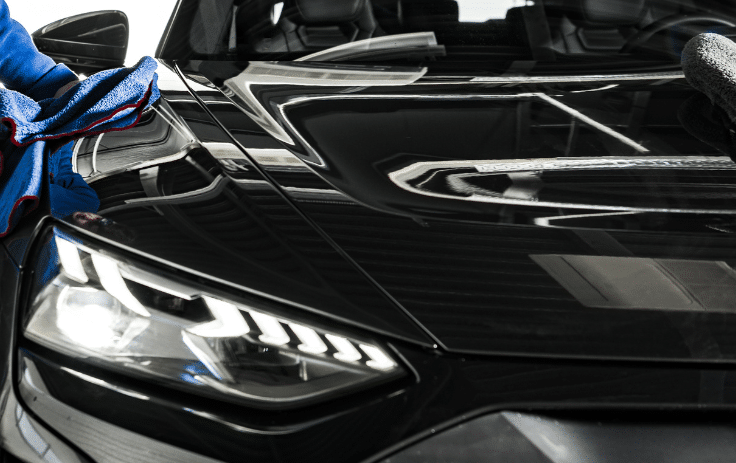
At its core, a full detail covers two major areas — the exterior and the interior — each with its own set of steps and goals. Depending on the package or service level, it can also include add-ons like engine bay cleaning, headlight restoration, paint correction, and ceramic coating application. Here’s a thorough look at each component.
Exterior Car Detailing
The exterior takes the brunt of daily punishment — UV rays, bird droppings, road tar, brake dust, and environmental fallout. Exterior detailing systematically addresses all of it.
1. Hand Wash
Unlike automated car washes, exterior detailing begins with a thorough hand wash using pH-balanced cleaning agents and microfiber mitts. The two-bucket method (one for clean soapy water, one for rinsing the mitt) is a standard technique used to prevent scratching the paint during the wash process. High-pressure water is used to flush out wheel wells, door jambs, and other hard-to-reach areas.
2. Clay Bar Treatment
After washing, a clay bar is used to physically pull bonded contaminants — industrial fallout, tree sap residue, and embedded grime — off the paint surface. This is a step most people never do at home, yet it’s what leaves paint feeling genuinely smooth to the touch. You can test this yourself: run your fingertips over a freshly washed panel — if it feels rough or gritty, contaminants are still bonded to the clear coat.
3. Polishing (Paint Correction)
Polishing uses abrasive compounds to level the clear coat and remove light scratches, swirl marks, and oxidation. This is one of the more skilled steps in detailing, requiring machine polishers and a good eye. Paint correction — a more intensive form of polishing — can address deeper imperfections. It’s worth noting that this step removes a microscopic layer of clear coat each time it’s performed, so it should be done judiciously, not at every detail.
4. Paint Protection: Wax, Sealant, or Ceramic Coating
Once the paint is clean and corrected, it needs protection. The three main options are:
- Carnauba wax — natural, warm-looking finish, typically lasts 1–3 months
- Synthetic paint sealant — more durable than wax, can last up to 6 months, provides a glossy protective layer
- Ceramic coating — a semi-permanent nano-coating that bonds chemically to the paint surface and can last years with proper maintenance
This protection layer matters beyond aesthetics. According to Ceramic Pro, paint protection services can help vehicles retain up to 15% more resale value compared to unprotected cars — a meaningful return when you consider the modest cost of a standard detail.
5. Wheel and Tire Cleaning
Wheels accumulate brake dust, which is corrosive and difficult to remove with a regular rinse. Detailing involves dedicated wheel cleaners, brushes, and in some cases, acid-free fallout removers to strip this buildup without damaging alloy or chrome finishes. Tires are then dressed with a protectant to restore their appearance and prevent cracking from UV exposure.
6. Glass and Window Treatment
All glass surfaces — including the windshield and rear window — are cleaned with streak-free glass cleaners, often followed by a water-repellent treatment that improves visibility in rain.
Interior Car Detailing
Interior detailing goes well beyond vacuuming. It’s a deep, systematic cleaning of every surface inside the cabin.
1. Full Vacuuming
Professional-grade vacuums with narrow attachments are used to extract embedded dirt from carpet fibers, seat crevices, under seats, and air vents — areas that household vacuums simply can’t reach effectively. This matters more than most people realize.
The U.S. Environmental Protection Agency (EPA) notes that numerous indoor air pollutants — including dust mites, mold, and particulate matter — are common asthma and allergy triggers. Your car interior is a confined space where these contaminants can accumulate rapidly, especially with daily use.
2. Carpet and Upholstery Shampooing or Steam Cleaning
Stains, odors, and deeply embedded grime in fabric seats and carpets require extraction machines or steam cleaners — not just spray-and-wipe products. Hot water extraction pulls contaminated moisture out of fibers, which is what actually removes odors at the source rather than masking them.
3. Leather Care
Leather seats require a two-step process: cleaning with a pH-balanced leather cleaner, followed by conditioning to restore moisture and flexibility. Skipping conditioning leads to cracking and fading over time, which is both an aesthetic and resale value issue. A conditioner also adds a layer of UV protection, since heat and sun exposure are the primary reasons leather ages prematurely.
4. Hard Surface Cleaning
Dashboard, door panels, center console, cup holders, and all plastic or vinyl trim are cleaned with appropriate products and microfiber cloths. A good detailer applies a UV protectant to prevent fading and cracking from sun exposure — the kind of gradual damage that most people don’t notice until it’s significant.
5. Glass Interior Surfaces
The interior side of windows — particularly the windshield — develops a film over time from off-gassing plastics, smoke, and dust. This film significantly reduces visibility, especially when driving into sunlight. Interior glass cleaning is a standard part of a thorough detail.
6. Odor Elimination
Beyond cleaning surfaces, professional detailers often use ozone treatments or enzyme-based odor eliminators to neutralize persistent smells at the molecular level. This is particularly relevant for vehicles that have had spills, pets, or smokers as occupants.
Optional Add-On Services
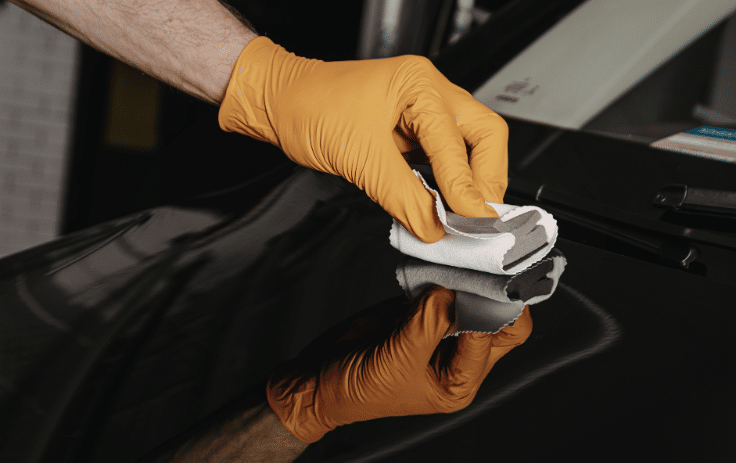
Depending on the shop or detailer, several specialized services may be offered as upgrades to a standard full detail:
Engine Bay Cleaning
A degreaser and low-pressure rinse are used to remove grease, grime, and accumulated debris from the engine compartment. Beyond looks, a clean engine bay makes it easier to spot leaks and maintain components. Not all vehicles are suited for this service, so a knowledgeable detailer will assess before proceeding.
Headlight Restoration
Oxidized plastic headlight lenses turn yellowed and hazy over time, reducing light output by up to 80% according to some automotive safety researchers — a real visibility and safety concern. Headlight restoration involves wet-sanding and polishing the lens to clarity, followed by a UV sealant to slow future oxidation.
Paint Protection Film (PPF)
PPF is a thick, clear urethane film applied to high-impact areas (hood, bumpers, fenders) or the entire vehicle. Automotive research indicates that vehicles fitted with PPF can receive up to a 15% increase in resale value, with visible paint damage reduced significantly over time.
Ceramic Coating
A professional-grade ceramic coating creates a hydrophobic, chemically bonded protective layer over the paint. It is not a substitute for paint correction — the surface must be properly polished before coating is applied, or imperfections get locked in. Ceramic coatings are best thought of as long-term protection, not a shortcut.
How Long Does Car Detailing Take?
Time varies widely depending on the service level and vehicle condition:
- Express/basic detail: 1–2 hours
- Standard full detail: 3–5 hours
- Full detail with paint correction: 6–12+ hours
- Ceramic coating installation: 1–2 days (including cure time)
A rushed detail is a compromised detail. If a “full detail” is being offered in under two hours, it’s likely a basic package by another name. If you’re in the Lansing area, a mobile detailing service that comes to your home or office can make it easier to fit a proper detail into a busy schedule without sacrificing quality.
How Often Should You Detail Your Car?
For most drivers, a complete detail every 4–6 months is a reasonable baseline, with light maintenance washes in between. That said, the right schedule depends on your driving habits and environment — factors that vary more than most people expect. General factors that may increase frequency:
- Living in a coastal or humid environment (salt air, mold risk)
- Parking outdoors under trees (sap, bird droppings)
- High-mileage daily driving
- Vehicles with light-colored paint that shows contamination more readily
According to Auto Cosmetics, having a vehicle detailed before resale genuinely increases its market value — condition is one of the primary factors used to determine fair market pricing.
Does Car Detailing Actually Improve Resale Value?
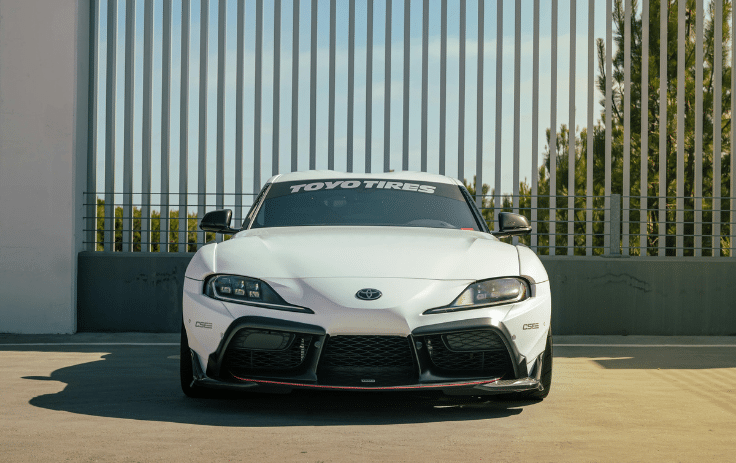
Yes — and the numbers are meaningful. Research indicates that a well-detailed vehicle can fetch 10–20% more than a comparable car in average condition. On a $20,000 vehicle, that’s a potential $2,000–$4,000 difference. Given that a full detail typically costs $100–$500, the return on investment is significant.
The reasons are straightforward: a clean, well-maintained exterior signals to buyers that the vehicle has been cared for. A fresh, odor-free interior with no stains or cracked trim reinforces the same impression. These aren’t cosmetic trivialities — they’re signals buyers use to assess how the car was maintained mechanically as well.
A Quick Reference: What’s Typically Included at Each Level
| Service Level | What’s Included |
|---|---|
| Basic / Express | Exterior hand wash, interior vacuum, window cleaning, tire dressing |
| Standard Full Detail | All of the above + clay bar, polish, wax or sealant, carpet shampoo, leather condition, hard surface cleaning, odor treatment |
| Premium / Correction Detail | All of the above + full paint correction, engine bay cleaning, headlight restoration |
| Elite / Coating Package | All of the above + ceramic coating or PPF application |
Final Thoughts
Car detailing is not a luxury reserved for collectors or enthusiasts. It’s routine maintenance that protects your investment, improves your driving environment, and directly impacts what you’ll get when it’s time to sell. Understanding what each step actually does — rather than treating it as a black box — helps you ask better questions, choose the right service level, and recognize quality work when you see it.
The best detail is one that’s appropriate for your vehicle’s current condition and your goals: maintenance, pre-sale preparation, or long-term protection. When in doubt, start with a full interior and exterior detail, assess what’s needed from there, and build a maintenance routine around it.
Ready to Give Your Vehicle a Complete Detail?
Whether your vehicle needs a deep interior cleaning, exterior paint decontamination, paint protection, or a complete interior and exterior detail, Chariot Detailing provides professional mobile detailing services throughout Lansing, East Lansing, Haslett, Okemos, and surrounding Mid-Michigan communities.
Call (517) 816-5126 today to schedule your detailing service and get the level of care your vehicle deserves without leaving home or work.