

The inside of your car sees a lot more mess than the outside does. The same small space collects spilled coffee, tracked-in dirt, food crumbs, pet hair, sunscreen, and the fine dust that drifts in every time you open a door. A drive-through wash and a quick vacuum don’t do much about any of that.
So what is interior car detailing, and is it worth paying for? This guide explains what the service covers, why it matters for your health and your car’s value, and how to decide between doing it yourself and hiring a pro.
What Is Interior Car Detailing?
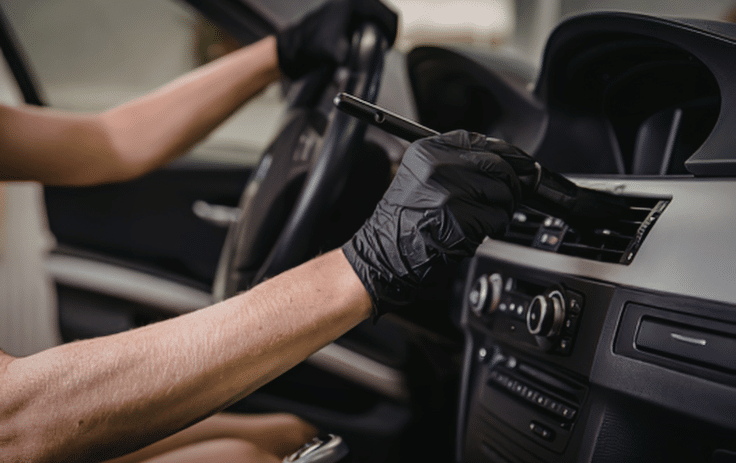
Interior car detailing is a thorough, methodical cleaning and reconditioning of everything inside your vehicle’s cabin — not just the surfaces you can see and reach. The International Detailing Association, the trade body that sets professional standards for the industry, is careful to distinguish a “wash” from a “detail”: a detail is a meticulous, step-by-step process meant to restore a vehicle rather than just tidy it up.
Kelley Blue Book describes detailing as the process of returning a car toward like-new, showroom condition — work that’s done largely by hand and, on the interior side, includes vacuuming and steam-cleaning, conditioning the seating surfaces, and brushing crumbs and grime out of the crevices most people never touch. In short, cleaning removes the mess you notice; detailing addresses the buildup you don’t, and then protects the materials so they last longer.
How it differs from a car wash or a quick vacuum
The word “detail” gets used loosely, which is part of the confusion. Running the shop vac over your floor mats and wiping the dash is basic upkeep. A proper interior detail goes further, into the seams of the seats, under the pedals, inside the vents, and along the door jambs. As Consumer Reports notes in its interior detailing guide, detailing is a meticulous cleaning that goes well beyond picking up old wrappers and emptying the console — and skipping it lets grime work its way into switches and vents where it can actually cause problems.
What Interior Detailing Actually Includes
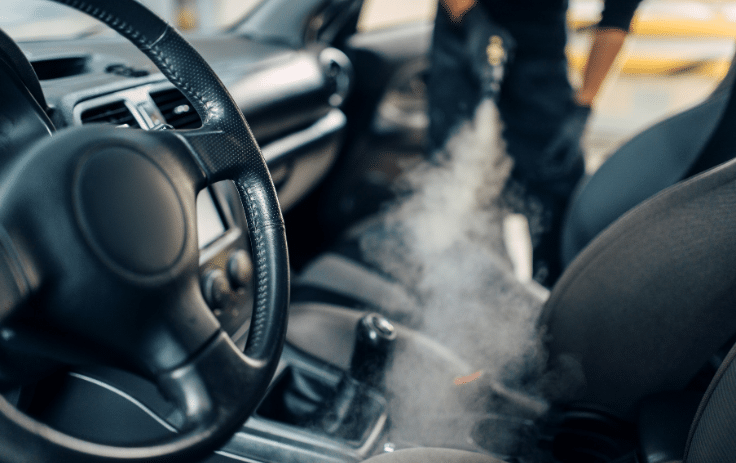
The exact steps vary by vehicle and by how dirty it is, but a solid interior detail generally covers:
- A deep vacuum of carpets, floor mats, seats, seat crevices, the trunk, and hard-to-reach areas. Per Consumer Reports, using soft brush attachments on delicate parts like dashboards and vents avoids scratching them.
- Hard surfaces — dashboard, center console, door panels, cup holders, and air vents — cleaned with the right products for each material.
- Glass and mirrors, cleaned with an ammonia-free automotive glass cleaner so streaks and film don’t impair visibility.
- Upholstery and carpet, shampooed or steam-cleaned to lift stains and odors rather than just mask them.
- Leather and vinyl, cleaned and then conditioned so they don’t dry out and crack over time.
- Odor removal and a protectant to finish, leaving surfaces guarded against the next round of dust and UV.
Two habits the pros follow are worth copying at home: work on cool surfaces out of direct sunlight, since heat changes how cleaners behave, and vacuum up loose debris first so you aren’t rubbing grit into the surfaces you’re trying to clean. For the room-by-room version, here’s a full checklist of what a session covers.
Why Interior Detailing Is Worth It
Cleaner cabin air
This is the benefit most people overlook. Consumer Reports points out that dirty air vents can spread dust and other allergens around the cabin, and that outside air pollution leaves a residue on your interior surfaces over time. If you or your passengers have allergies or spend long hours commuting, a clean interior is genuinely a comfort-and-health issue, not just a cosmetic one.
Safety and everyday comfort
Filmy windows and mirrors are more than an eyesore — they can obscure the driver’s view, especially in low sun or at night. And grit that migrates into buttons and switches can wear them out. Beyond that, there’s the simple daily payoff: getting into a fresh, spotless cabin makes every drive more pleasant.
Protecting your investment
Condition is one of the biggest levers on what a used car is worth. Kelley Blue Book is blunt about it: a cleaned and detailed car is worth more at trade-in than a worn, poorly maintained one, and detailing before a dealer appraisal can net you more. One honest caveat worth knowing: Consumer Reports has found that a single last-minute cleanup rarely fools a dealer, and that waiting to deep-clean until you sell can be too late to lift stains that have set in. The real value comes from consistent care over time, not a one-off scramble the week before you list it.
DIY vs. Professional Interior Detailing

You can absolutely handle routine interior upkeep yourself, and Consumer Reports lays out how to deep-clean most surfaces at home. The one rule the pros stress: use products made for automotive interiors. According to Consumer Reports’ latest cleaning guide, common household cleaners can permanently damage modern car finishes, so they’re worth avoiding even when they’re what’s under your sink.
Where a professional earns their fee is on the jobs that need equipment and experience you probably don’t have at home — hot-water extraction for set-in carpet stains, safe leather restoration, and stubborn odor removal, plus the product knowledge to match the right chemical to each surface without harming it. If you’re weighing the trade-off, it helps to know how the pricing typically breaks down and how much of your day to block off for the job before deciding.
If you’d rather leave it to trained hands, take a look at our interior detailing service, or browse the full range of detailing packages to find the level of care your car needs.
How Often Should You Detail the Interior?
A good rhythm for most drivers is a quick vacuum and wipe-down every week or two to stay on top of everyday mess, plus a deeper interior detail a few times a year — or more often if you carry kids, pets, or a long commute. The guiding principle from Consumer Reports is simple: regular cleaning prevents dirt and odors from setting in, so don’t let it slide until the buildup becomes a stain you can’t lift.
The Bottom Line
Interior car detailing is the deep, careful cleaning and reconditioning of your car’s cabin — the stuff a car wash was never designed to do. Done regularly, it keeps the air cleaner, the surfaces protected, the drive more pleasant, and the resale value higher. Whether you tackle it yourself with the right products or hand it to a professional, the payoff is the same: a car that feels newer and lasts longer.
Keep Your Interior in Great Condition
Whether your interior needs routine maintenance or a deeper cleaning to address built-up dirt, stains, pet hair, or everyday debris, Chariot Detailing can help you choose the right interior detailing service for your vehicle.
We provide mobile detailing throughout Lansing, East Lansing, Okemos, Haslett, Waverly, and the surrounding communities, bringing professional interior car detailing directly to your home, workplace, or another convenient location.
Call Chariot Detailing at (517) 271-0416 or book online to schedule your interior detailing service.