Booking someone to detail your car in your own driveway sounds simple enough, until you start scrolling through search results and every company looks about the same. Nice photos, five-star badges, a “starting at” price. It’s hard to tell who actually shows up and does great work.
That’s really the question behind how to choose a mobile detailing company: how do you tell a genuinely good, professional service apart from one that just has a nice website?
This guide walks through the practical things worth checking before you hand over your keys (or your driveway access), plus the follow-up questions most people have about cost, timing, and what happens after.
How to Choose a Mobile Detailing Company
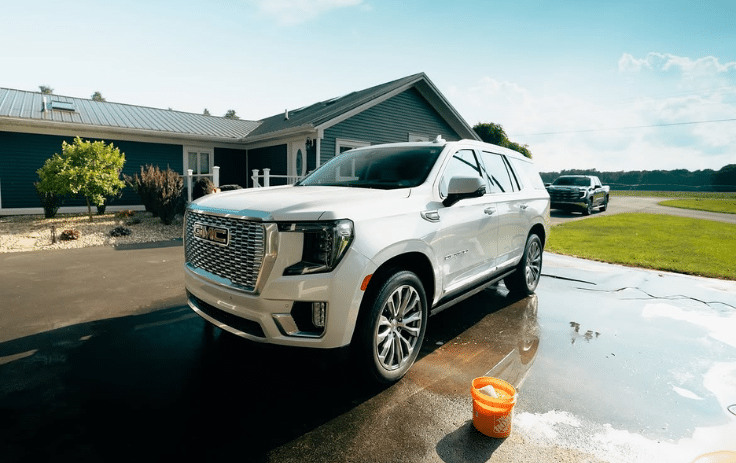
Look for a mobile detailer that has proper insurance, a real and verifiable review history, experienced staff, upfront pricing, a clear list of what each package includes, environmentally responsible practices, and clear communication about logistics and guarantees.
Here’s the quick version before we go deeper on each one:
- Proper insurance (and licensing, where it applies)
- A real, verifiable review history
- Detailers with actual training and experience
- Transparent, upfront pricing
- A clear list of what’s included in each package
- Eco-friendly, water-responsible practices
- Clear logistics and a written guarantee
Now let’s break each of these down.
1. Proper Insurance and Licensing
A mobile detailer is working on your vehicle, often with power tools, buffers, and chemicals, right in your driveway or parking lot. If something goes wrong, like a scratched panel or a slipped extension cord, insurance is what protects you.
Before booking, it’s worth asking directly whether the company carries liability insurance and whether they can provide proof if you ask. The Better Business Bureau recommends checking a company’s licensing and insurance, along with its business profile, before hiring anyone to work on your property or vehicle.
A company that answers this question quickly and clearly is usually a good sign. Hesitation or vague answers are worth noting.
2. A Real, Verifiable Review History
Reviews are the easiest way to get a sense of how a company actually performs, but not all reviews are equally trustworthy. A handful of glowing testimonials on a company’s own homepage tell you a lot less than a large, dated, and public review history.
This has become a bigger deal industry-wide. In 2024, the Federal Trade Commission finalized a rule that bans businesses from buying, selling, or posting fake reviews and testimonials. That doesn’t guarantee every review online is genuine, but it does mean there’s now real legal risk for companies that fake them.
A few practical things to check:
- Look at reviews on a third-party platform like Google, not just the company’s own site
- Read a spread of reviews, including recent ones, rather than just the top few
- Notice whether the company responds to reviews, especially less-than-perfect ones
As an example of what a transparent review history looks like, you can browse real, dated customer feedback on Chariot Detailing’s Google Business Profile.
3. Detailers With Real Training and Experience
Detailing isn’t just spraying cleaner and wiping. Working on leather, delicate trim, ceramic coatings, or a heavily stained interior takes technique, and the wrong product or method can actually cause damage.
One way detailers demonstrate this is through industry certification. Groups like the International Detailing Association certify individual detailers who pass exams covering equipment, chemicals, and safe techniques across different interior and exterior surfaces.
Certification isn’t the only sign of skill; plenty of great detailers learn through years of hands-on experience. But it’s a reasonable, objective data point, and it’s fair to ask a company how their team is trained.
4. Transparent, Upfront Pricing
Vague pricing is one of the more common frustrations people run into. A “starting at” number is fine as a starting point, but a trustworthy company should be able to explain what actually affects the final price, like vehicle size, how dirty the interior is, or pet hair.
Package prices for most mobile detailers tend to range from around a hundred dollars for a light refresh up to several hundred for a full interior-and-exterior detail, with the exact number depending on your vehicle and condition. If you want a closer look at how that pricing typically breaks down by package and vehicle type, this cost guide walks through it in more detail.
The goal is simple: you shouldn’t be surprised by the final bill.
5. A Clear List of What’s Included in Each Package
“Full detail” means different things to different companies. Some include a wax application and shampooed carpets; others just mean a thorough vacuum and wipe-down. Before booking, look for a specific, itemized list rather than a vague description.
A good service page should spell out things like:
- Whether carpets and seats are shampooed or just vacuumed
- Whether wheels, tires, and wheel wells are cleaned
- Whether any paint protection (wax, sealant, or coating) is applied, and for how long it’s expected to last
- Whether door jambs, trunk, and floor mats are addressed
If you’re curious what a standard package typically covers step by step, this breakdown of what’s included in a full detail is a good place to start.
6. Eco-Friendly, Water-Responsible Practices
Mobile detailing happens outside, usually in a driveway, which means wastewater has somewhere to go. The EPA notes that soapy runoff from washing a vehicle on pavement can carry pollutants into storm drains, which flow untreated into local streams and lakes.
A responsible mobile detailer should be thinking about this too. It’s reasonable to ask whether they:
- Use biodegradable, phosphate-free soap
- Use a water containment mat or take steps to keep runoff out of storm drains
- Use water efficiently rather than letting a hose run the whole time
This isn’t just an environmental checkbox. It also says something about how carefully a company operates in general.
7. Clear Logistics and a Written Guarantee
Mobile detailing depends on a few things being in place: access to water and electricity, a place to park, and sometimes decent weather. A good company will walk you through exactly what they need from you before the appointment, not figure it out on your driveway.
It’s also worth asking:
- What happens if it rains or the appointment needs to reschedule
- Whether there’s a satisfaction guarantee if something was missed
- How long paint protection, like wax or sealant, is expected to hold up
Getting clear answers to these questions upfront avoids most of the awkward surprises that come up on appointment day.
Mobile Detailing vs. a Detail Shop: Which Should You Choose?
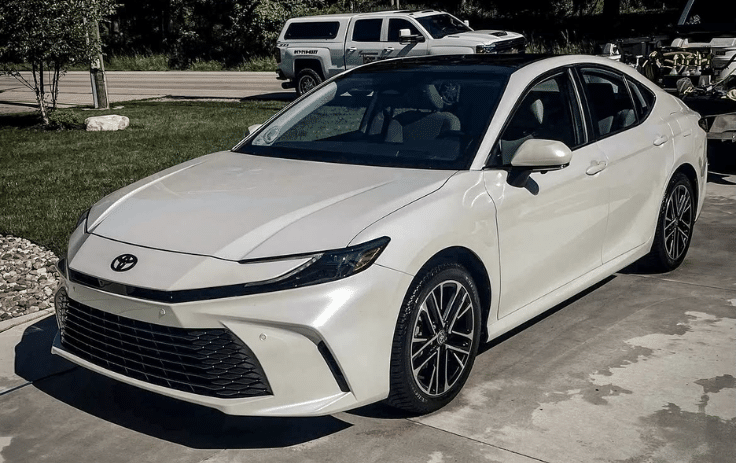
Both can produce great results; the right choice usually comes down to convenience versus specialized equipment.
Mobile detailing makes sense when:
- You don’t have time to drop off and pick up your vehicle
- You want the work done at your home, apartment, or workplace
- Your needs are routine maintenance, interior cleaning, or a standard full detail
A shop may be a better fit when:
- Your vehicle needs multi-stage paint correction or specialty equipment not practical to bring on-site
- You don’t have reasonable access to water or electricity where your car is parked
For most everyday detailing needs, a mobile service that comes to you saves a meaningful chunk of time without asking you to compromise on quality.
How Long Does a Mobile Detail Take?
This varies quite a bit based on vehicle size and how dirty it is. As a general rule:
- Interior-only or exterior-only services usually take a few hours
- A full interior-and-exterior detail takes longer, since it covers both
If timing matters for your schedule, it’s worth asking for an estimate based on your specific vehicle when you book, rather than assuming a fixed time slot.
Red Flags Worth Watching For
Most of these tie back to the points above, but a few are worth calling out directly:
- No clear answer when you ask about insurance
- Only a small handful of reviews, all glowing, all posted around the same time
- Pricing that changes significantly once they arrive, with no explanation
- A vague description of what’s “included” with no itemized list
- Poor communication before the appointment about what they need from you
None of these alone is necessarily disqualifying, but a few of them together is a good reason to keep looking.
Keeping Your Car Looking Good After a Detail
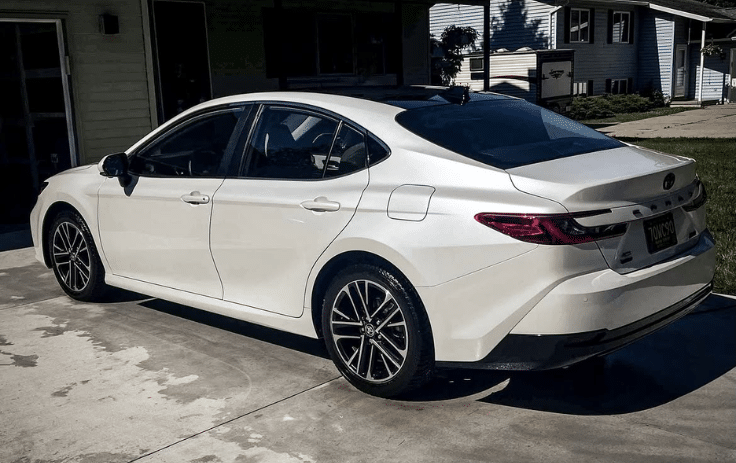
A good detail should hold up for a while, especially with a little care on your end:
- Park in shade or a garage when possible to reduce sun fading on paint and interior trim
- Use a microfiber cloth and pH-neutral cleaner between details, not household glass or all-purpose cleaners on interior surfaces
- Vacuum regularly to keep dirt from grinding into carpet fibers
- Ask your detailer how long their wax or sealant is expected to last, so you know when it’s time for a refresh
Frequently Asked Questions
Is mobile detailing actually as good as going to a shop? For most routine detailing needs, yes. The main difference is convenience, not quality, as long as the company you choose is experienced and properly equipped.
Do I need to be home during the appointment? Not necessarily, as long as the detailer has access to your vehicle, water, and electricity. Many people schedule appointments while at work.
How often should I get my car detailed? It depends on how the vehicle is used, but many owners schedule a full detail every few months, with lighter maintenance cleans in between.
Final Thoughts
Choosing a mobile detailer doesn’t have to be complicated once you know what to check: insurance, real reviews, trained detailers, clear pricing, a specific list of what’s included, responsible water practices, and straightforward communication about logistics.
If you’re in the Lansing area and want to see this approach in action, you can learn more about Chariot Detailing or browse the full lineup of interior, exterior, and full-detail packages to find the right fit for your vehicle.